
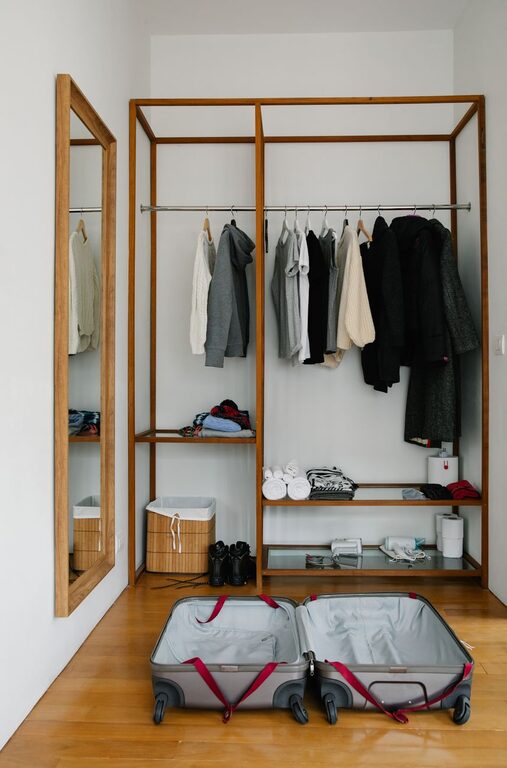
Storing seasonal clothes efficiently is an essential part of keeping your home organized and clutter-free. Whether you’re packing away bulky winter coats or lighter summer dresses, proper storage helps protect your garments and frees up valuable closet space. In this guide, we’ll explore smart ways to store your seasonal clothes so that they stay fresh, accessible, and ready to wear when the temperature changes again.
Why Proper Seasonal Storage Matters
When clothes are stored without care, they can become wrinkled, damaged, or even attract pests. Efficient storage not only saves space but also extends the life of your wardrobe. Keeping your seasonal items well-maintained means less time spent on repairs, cleaning, or hunting down missing pieces.
Preparing Clothes for Storage
Clean Everything First
Always wash or dry clean your clothes before storing them. Dirt, sweat, and stains can become permanent if left unattended. Plus, clean clothes are less likely to attract moths and other insects.
Repair and Sort
Take some time to mend any loose buttons, torn seams, or other defects now. Sort clothes by category (e.g., sweaters, jackets, dresses) or by storage method. This will make unpacking easier.
Dry Completely
Make sure all garments are completely dry before packing. Moisture leads to mold and mildew, which can ruin your clothes.
Choosing the Right Storage Containers
Breathable Fabric Bins or Bags
Use cotton bags or fabric bins to store clothes that need ventilation, like wool sweaters. These allow air to circulate and prevent moisture buildup.
Plastic Storage Bins with Seals
For items that must be protected from dust, moisture, or pests, use clear plastic bins with tight-fitting lids. Clear bins help you easily identify what’s inside without opening.
Vacuum-Sealed Bags
Vacuum-sealed bags save a lot of space by compressing bulky items like coats or blankets. However, avoid using these for delicate fabrics that could get crushed.
Hanging Storage Solutions
For items that wrinkle easily, consider hanging garment bags or portable closets. These keep your clothes ready to wear.
Tips for Maximizing Storage Space
Use Shelf Dividers and Boxes
Shelf dividers keep piles from toppling over, and small boxes can group smaller items like scarves or gloves.
Label Everything
Labeling containers or bags saves time when you need to find a specific item. Use a waterproof marker or adhesive labels.
Store Off the Floor
Keep bins on shelves or in closets off the floor to avoid moisture damage.
Rotate Seasonally
Place the upcoming season’s clothes in the easiest-to-access spot and move the off-season items farther back.
Protecting Clothes from Pests and Damage
Cedar and Lavender
Natural repellents like cedar blocks or lavender sachets help keep moths and insects away without harsh chemicals.
Avoid Plastic Wrap or Newspaper
Don’t wrap clothes in plastic wrap or newspaper. Plastic traps moisture, and ink from newspaper can stain fabrics.
Check Periodically
Every few months, check your stored clothes for signs of damage or pests and refresh the natural repellents.
Storing Different Types of Clothes
Wool and Heavy Fabrics
Store in breathable bags with cedar blocks to prevent moth damage.
Lightweight and Delicate Fabrics
Fold carefully, use acid-free tissue paper between folds, and store in fabric bins.
Shoes and Accessories
Clean and dry shoes before storing. Use shoe boxes or clear bins. Store accessories like belts and scarves in small containers to avoid tangling.
Final Thoughts
Efficient seasonal clothing storage is all about preparation and choosing the right methods. By cleaning, sorting, and protecting your clothes while maximizing space, you can enjoy a more organized closet and extend the life of your wardrobe. With these simple tips, switching seasons will be hassle-free and your clothes will look their best when you take them out again.
About the Author