Planning balanced meals can sometimes feel overwhelming, especially when you have a busy schedule. However, eating well doesn’t have to be stressful or complicated. With a few practical tips and a bit of preparation, you can create nutritious, satisfying meals that nourish your body and fit your lifestyle.
In this blog post, we’ll explore how to plan balanced meals without stress, helping you enjoy healthy eating every day.
What Is a Balanced Meal?
A balanced meal includes a variety of food groups in the right proportions to provide essential nutrients your body needs for energy, growth, and overall health. Typically, a balanced plate consists of:
– Vegetables and fruits: Rich in vitamins, minerals, and fiber.
– Protein: Sources include meat, fish, poultry, eggs, beans, nuts, or dairy.
– Carbohydrates: Such as whole grains, rice, pasta, or starchy vegetables.
– Healthy fats: From oils, nuts, seeds, or avocado.
Including all these components ensures your meals support digestion, energy levels, and overall well-being.
Step 1: Start with Simple Meal Planning
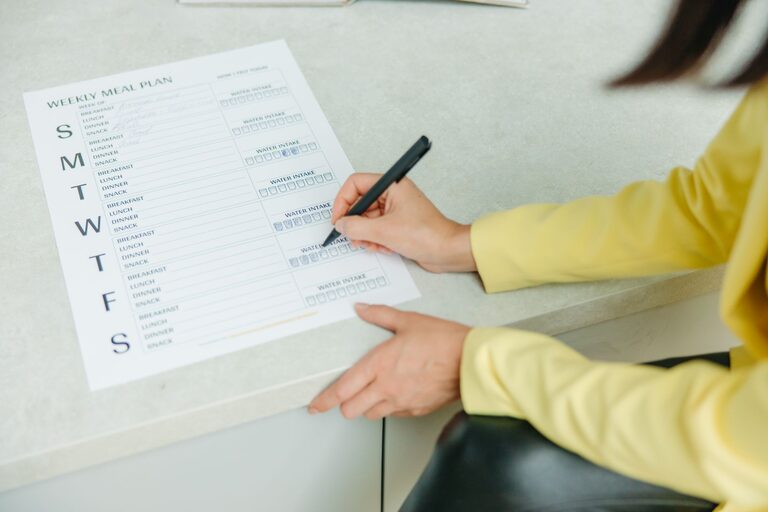
To avoid feeling overwhelmed, start small. You don’t need to plan every meal in detail. Here’s how to make meal planning easier:
– Set aside time: Dedicate 15–30 minutes once or twice a week to plan your meals.
– Choose your meals: Pick 3–5 meals you enjoy. Rotate them throughout the week.
– List ingredients: Write down what you need to shop for.
– Consider leftovers: Plan meals that double as lunch or dinner the next day.
By keeping your meal plan straightforward, you reduce decision fatigue and save time.
Step 2: Embrace Batch Cooking and Prep
One of the best ways to cut down stress is to prepare ingredients or meals ahead of time.
– Cook in batches: Make larger portions of grains, proteins, or soups.
– Chop veggies in advance: Store pre-cut vegetables in the fridge.
– Use versatile ingredients: Cook beans, roast chicken, or boil eggs to use throughout the week.
– Freeze meals: Keep single-serving portions in the freezer for busy days.
Batch cooking lets you enjoy homemade meals quickly without daily cooking pressure.
Step 3: Build Balanced Plates Easily
When it’s time to assemble your meal, use simple guidelines to ensure balance:
– Half your plate with vegetables: Focus on variety and color.
– A quarter with lean protein: Choose your favorite source.
– A quarter with whole grains or starchy vegetables: Think brown rice, quinoa, or sweet potatoes.
– Add healthy fats: Drizzle olive oil, sprinkle nuts, or add avocado slices.
This “plate method” helps you visualize a balanced meal without measuring or reading labels.
Step 4: Keep Healthy Staples on Hand
Stocking your kitchen with nutritious staples makes meal planning less stressful and encourages healthier choices. Some essentials include:
– Fresh or frozen vegetables and fruits
– Canned beans and lentils
– Whole grains like brown rice, oats, or whole wheat pasta
– Nuts, seeds, and nut butters
– Lean protein options like chicken breast, tofu, or fish
– Healthy oils such as olive or avocado oil
Having these ingredients readily available means fewer trips to the store and more meal flexibility.
Step 5: Use Simple Recipes and Tools
You don’t need to be a chef to prepare balanced meals. Look for recipes with few ingredients and straightforward steps. Resources like slow cookers or Instant Pots can also simplify cooking and reduce hands-on time.
Some ideas to get started:
– Stir-fry with vegetables, tofu or chicken, and brown rice
– Grain bowls with roasted veggies, beans, and a tahini dressing
– One-pan roasted chicken with sweet potatoes and broccoli
– Soups or stews packed with vegetables and lean protein
Try to build a small collection of go-to recipes that suit your tastes and schedule.
Step 6: Listen to Your Body and Preferences
Meal planning should be flexible. Pay attention to how different foods make you feel and what you enjoy eating. It’s okay to adjust your meals according to your hunger, energy levels, and preferences.
– Don’t force yourself to eat foods you dislike.
– Include treats or favorite dishes occasionally.
– Modify portion sizes to fit your appetite.
– Stay hydrated and include variety throughout the week.
Being kind to yourself reduces stress and supports long-term healthy habits.
Bonus Tips for Stress-Free Meal Planning
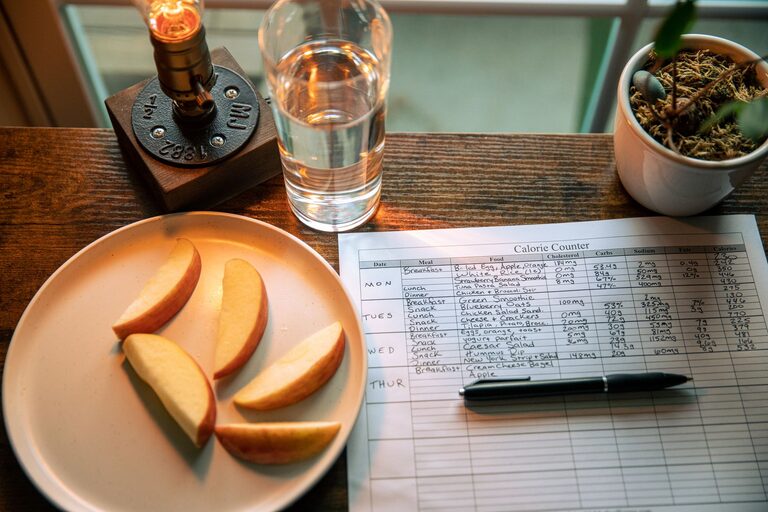
– Use a meal planning app or notebook to organize your ideas.
– Shop with a list to avoid impulsive buys.
– Invite family members to help decide meals or prep.
– Keep meals colorful and fun to stay motivated.
– Avoid perfectionism—balanced eating is about overall patterns, not every single meal.
—
In Summary
Planning balanced meals without stress is achievable by breaking the process into manageable steps. Start with simple planning, prepare ingredients ahead, build plates with variety, keep healthy staples in your kitchen, use easy recipes, and listen to your body’s needs.
With these tips, healthy eating becomes less a chore and more an enjoyable part of your daily routine. Remember, balance and flexibility are key for lasting success.
Happy meal planning!
About the Author