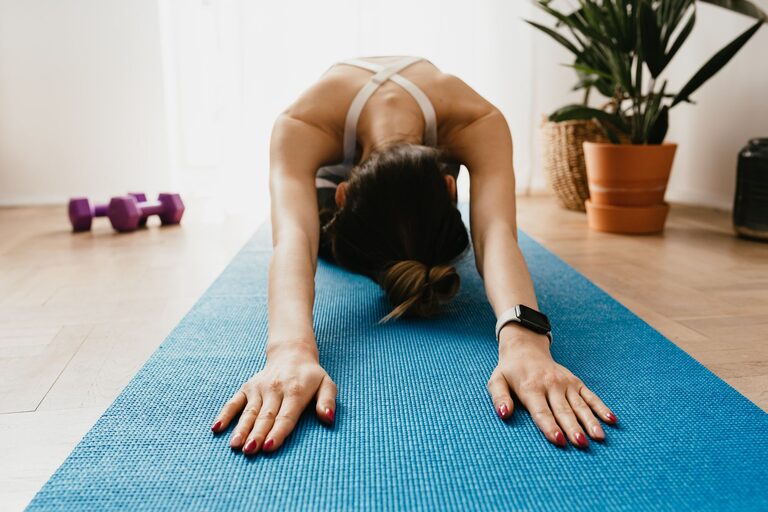
Stretching is a simple yet powerful way to improve your flexibility, reduce muscle tension, and enhance overall well-being. You don’t need a gym membership or special equipment to start stretching—your own home is the perfect place to begin. This guide will introduce you to basic stretching techniques, tips for success, and sample routines tailored for beginners.
Why Stretching Matters
Stretching helps maintain the length and elasticity of your muscles and tendons. Regular stretching can:
– Improve your range of motion
– Reduce muscle stiffness and soreness
– Enhance circulation and blood flow
– Promote relaxation and reduce stress
– Help prevent injuries during physical activities
Getting into the habit of stretching at home is a convenient way to care for your body, whether you’re active or mostly sedentary.
When and How to Stretch
Best Time to Stretch
You can stretch at any time of day, but here are some common options:
– After waking up: Loosen up your body and prepare for the day.
– Before exercise: Warm up your muscles with dynamic stretches to reduce injury risk.
– After exercise: Use static stretches to relax muscles and aid recovery.
– During breaks: Take short stretch breaks if you sit for long periods.
Types of Stretching
– Static stretching: Slow, steady stretches held for 15-60 seconds. Ideal for cooling down.
– Dynamic stretching: Controlled, gentle movements that take joints through their full range. Good for warming up.
– PNF stretching: Involves contracting and relaxing muscles with assistance. More advanced and often done with a partner.
For beginners, focus mainly on static and gentle dynamic stretches.
General Tips
– Warm up your muscles with light activity (like walking in place) before stretching.
– Avoid bouncing or jerking movements.
– Stretch until you feel mild tension, not pain.
– Breathe deeply and consistently while stretching.
– Hold stretches for at least 20-30 seconds to gain benefits.
– Stretch both sides of your body evenly.
Essential Stretches You Can Do at Home
Here are some beginner-friendly stretches that target common tight areas:
Neck Stretch
– Sit or stand tall.
– Slowly tilt your head toward your right shoulder until you feel a gentle stretch on the left side of your neck.
– Hold for 20-30 seconds.
– Repeat on the left side.
Shoulder Stretch
– Bring your right arm across your chest.
– Use your left hand to gently press your right arm closer to your chest.
– Hold for 20-30 seconds.
– Switch arms.
Chest Stretch
– Stand in a doorway with your arms bent at 90 degrees and hands on the door frame.
– Step forward with one foot, feeling a stretch across your chest.
– Hold for 20-30 seconds.
Cat-Cow Stretch (Spine Mobility)
– Get on your hands and knees.
– Arch your back upwards, tucking your chin (Cat).
– Then lower your belly toward the floor and lift your head and tailbone (Cow).
– Repeat 8-10 times slowly.
Hamstring Stretch
– Sit on the floor with one leg extended straight.
– Reach toward your toes without rounding your back.
– Hold for 20-30 seconds.
– Switch legs.
Quadriceps Stretch
– Stand upright and hold onto a chair for balance if needed.
– Grab your right ankle behind you, bringing your heel toward your buttocks.
– Keep knees close together.
– Hold for 20-30 seconds.
– Switch sides.
Calf Stretch
– Stand facing a wall.
– Place your hands on the wall and step one foot back, keeping it flat on the floor.
– Lean into the wall until you feel a stretch in your calf.
– Hold for 20-30 seconds.
– Switch legs.
Creating Your Stretching Routine
A simple routine can take as little as 10–15 minutes. Here’s an example:
- Warm up for 3-5 minutes (march or walk in place).
- Perform each stretch listed above, holding for 20-30 seconds.
- Repeat stretches 1-2 times if desired.
- End with deep breathing and relaxation.
Try to stretch at least 3 times a week for the best results. You can also add stretches to your daily routine during breaks or before bed.
Additional Tips for Success
– Stay consistent: Make stretching part of your daily habits.
– Listen to your body: Stretch gently to avoid injury.
– Stay hydrated: Drinking water helps keep muscles supple.
– Wear comfortable clothing: Loose clothes allow better movement.
– Use props if needed: A yoga mat, strap, or towel can assist in stretches.
When to See a Professional
If you experience pain during or after stretching, or have an injury, consult a healthcare or fitness professional before continuing. A physical therapist can tailor stretches to your specific needs.
—
Stretching at home is accessible and beneficial for everyone. By starting with these simple techniques and building a routine, you’ll enjoy increased flexibility, reduced tension, and a greater sense of well-being. Remember, the key is consistency and gentle progress. Happy stretching!
About the Author